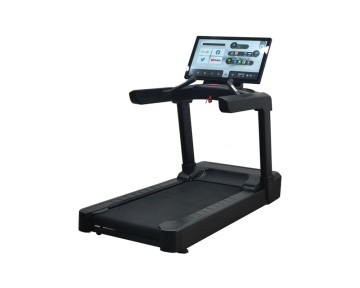
The landscape of Treadmill Manufacturers & Factories in Japan is currently undergoing a radical transformation. Historically known for automotive and semiconductor excellence, Japan has pivoted its industrial might toward "Wellness Technology." As a global leader in high-end machinery, Japanese factories are not just building running belts; they are integrating advanced robotics, IoT sensors, and whisper-quiet motor technology that sets the standard for the global fitness industry.
In industrial hubs like Nagoya and Osaka, the focus has shifted from mass production to high-precision engineering. Japanese treadmill factories prioritize the "Monozukuri" philosophy—the art of making things with perfection. This results in treadmills that feature unmatched durability and ergonomic designs specifically tailored for high-density urban environments where space-saving and noise reduction are paramount.
The current trend among Japan treadmill factories is the integration of Artificial Intelligence. Modern Japanese treadmills now incorporate gait analysis sensors that provide real-time feedback to runners, helping to prevent injuries—a critical feature in a country with a rapidly aging yet health-conscious "Silver Economy."
Furthermore, the rise of the "Smart Home" in Tokyo and Yokohama has driven the demand for foldable, ultra-slim treadmills that connect seamlessly with health ecosystems like Apple Health and Google Fit. Manufacturers are focusing on eco-friendly materials, utilizing carbon-neutral production processes to meet the strict Japanese environmental regulations.
DISCOVER OUR HERITAGE
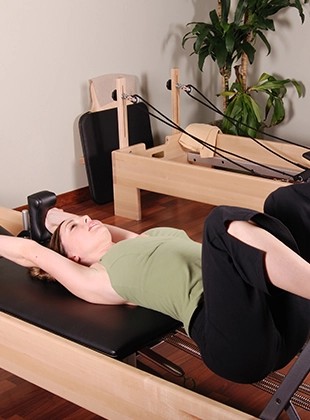
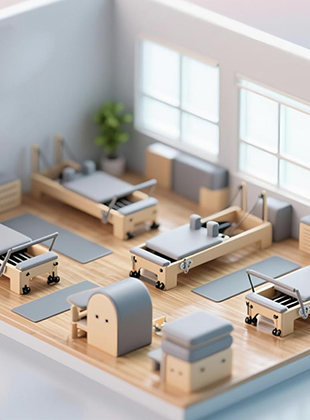
Shanghai Lumine Technology Co., Ltd. is a leading provider of premium Pilates reformers, yoga products, and high-performance cardio equipment. For over 10 years, we have become a top-tier manufacturer by delivering outstanding quality and customer service, aligning our production standards with the rigorous requirements of the Japanese market.
We own our factory and support OEM/ODM collaborations, offering end-to-end fitness studio design solutions. Our expansion into the Japanese market has allowed us to refine our craftsmanship, ensuring every treadmill and reformer meets the "Zero Defect" goal expected by our Tokyo-based clientele.
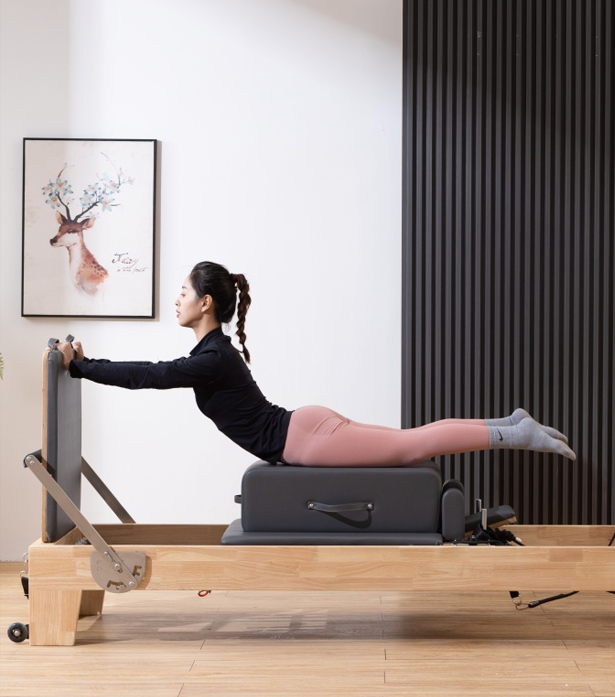
In Japan, the fitness market is unique. Commercial treadmills aren't just for gyms; they are essential in Rehabilitation Centers in Saitama, Corporate Wellness Rooms in Shinjuku, and Boutique Hotels in Kyoto. Our equipment is designed to blend into these high-end aesthetics, providing a "Zen" workout experience through silent operation and natural material accents.
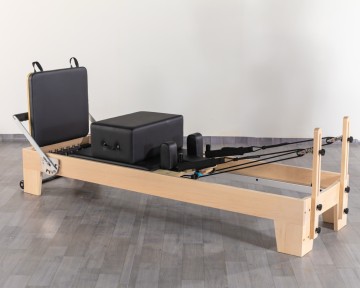
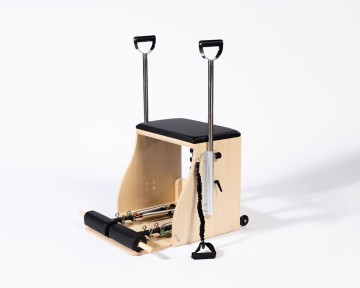
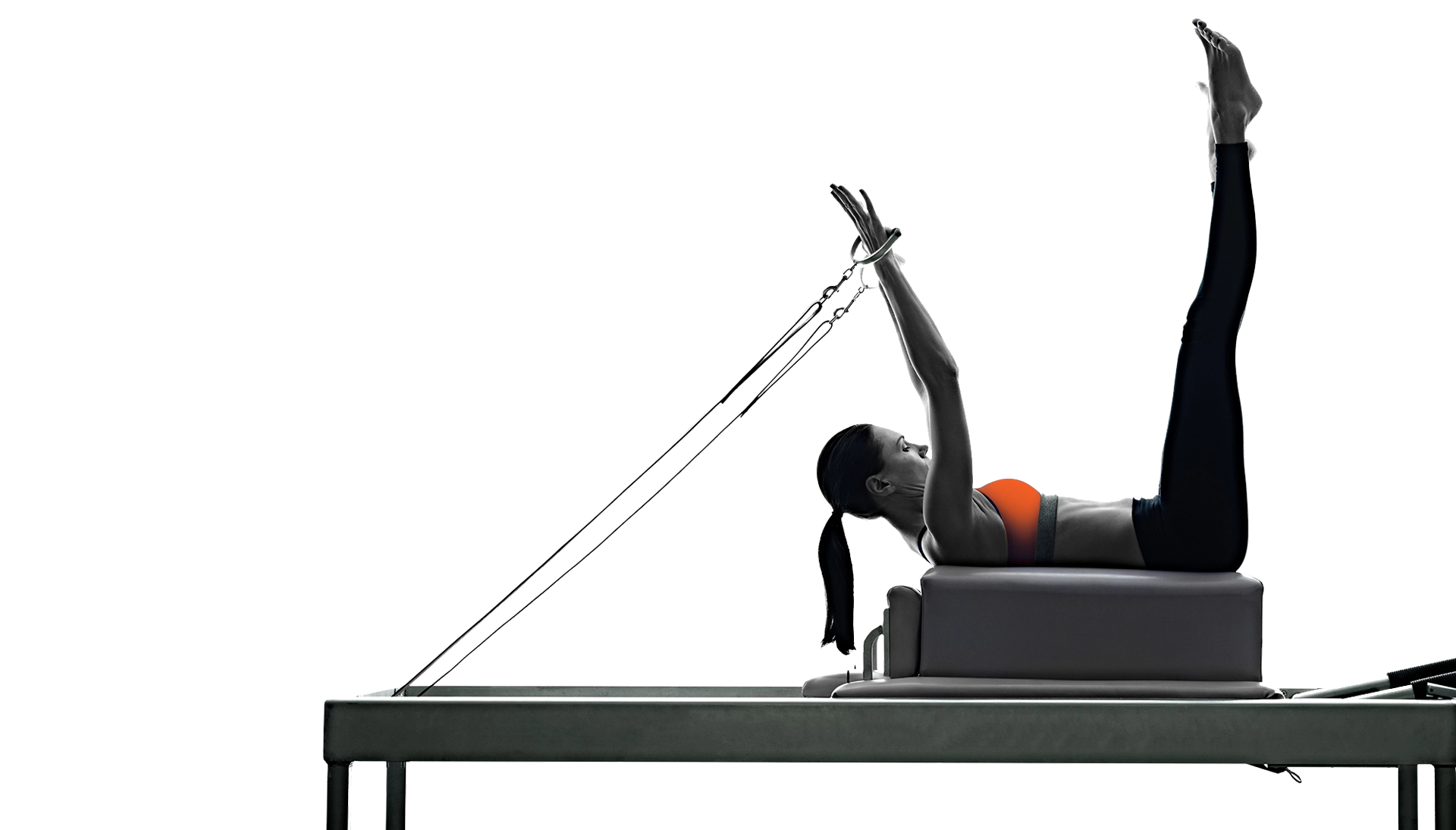
Quiet, quick-change footbars for busy urban studios.
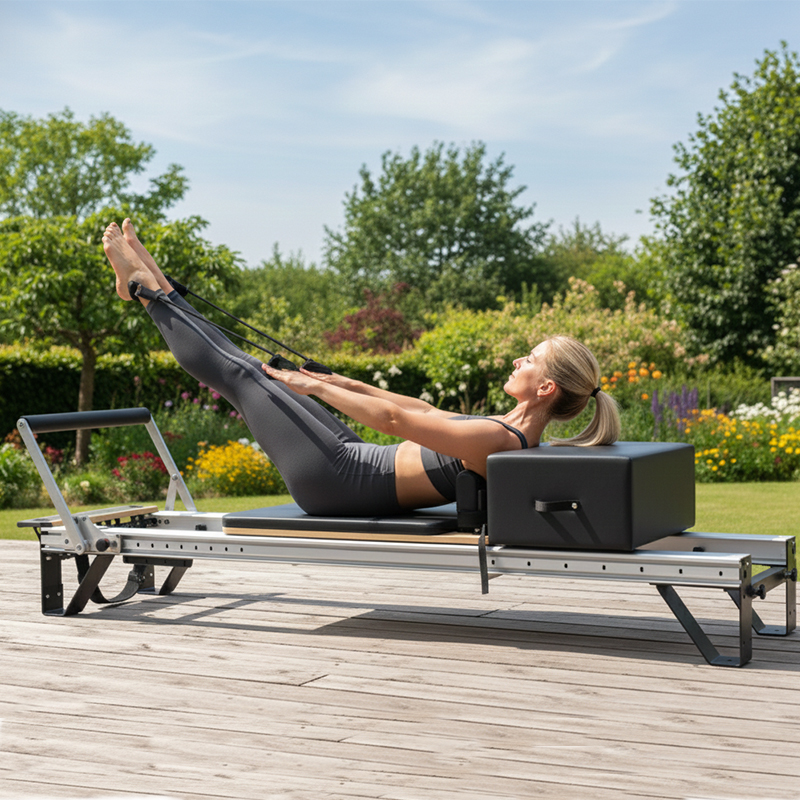
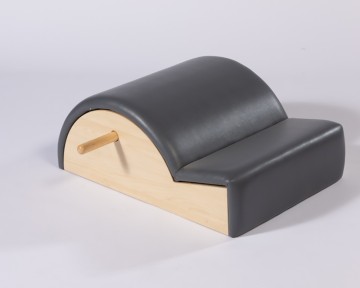
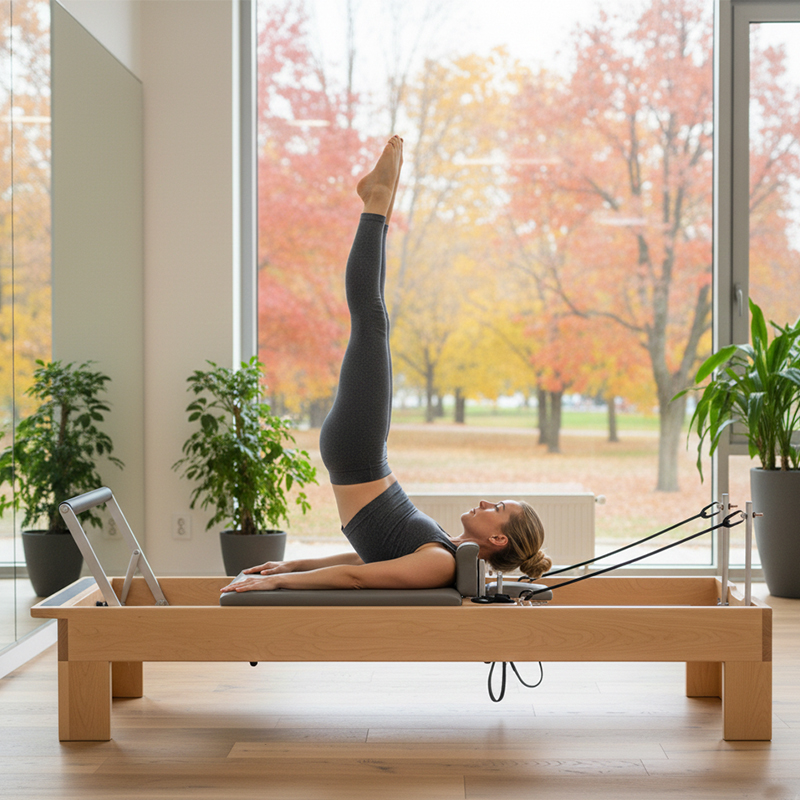
Ideal for portable studios and space-limited apartments.
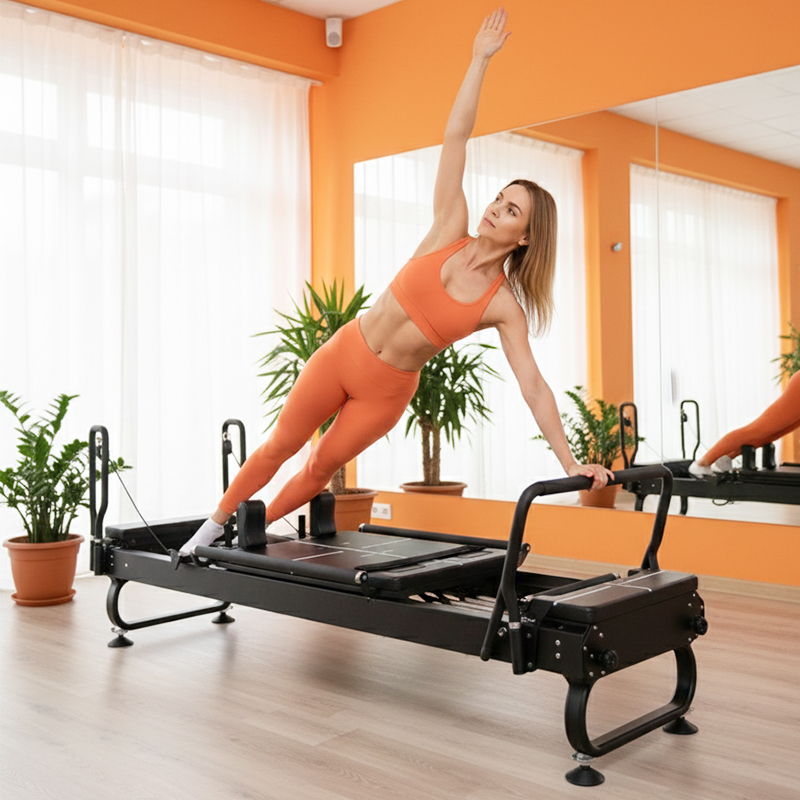
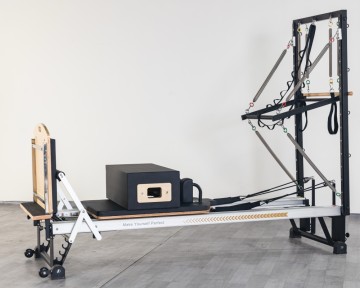
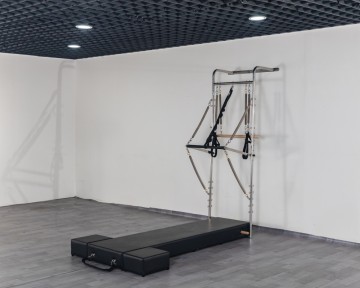
The choice for high-end Roppongi fitness clubs.
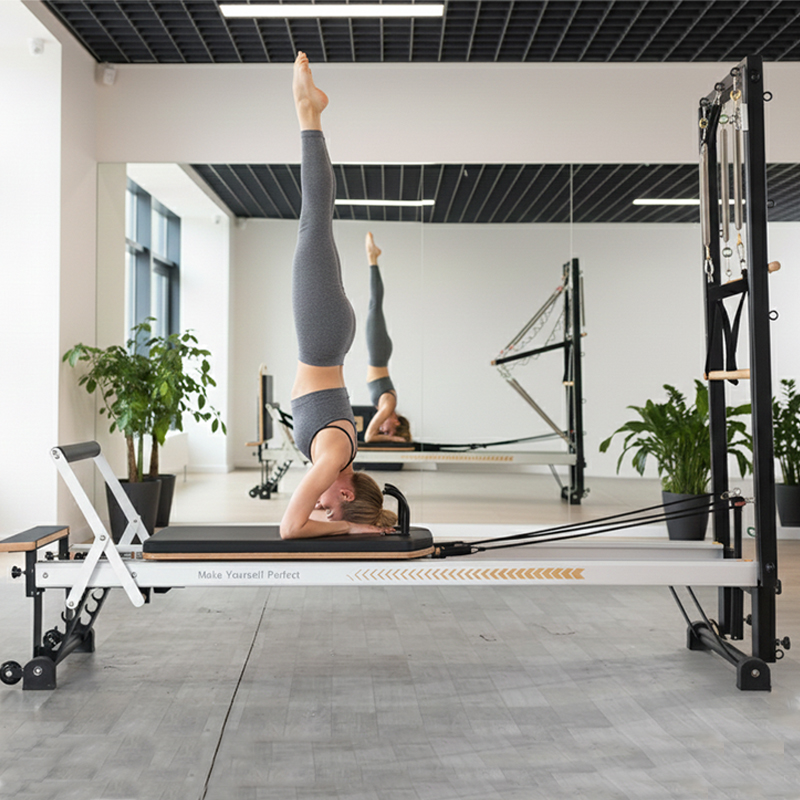
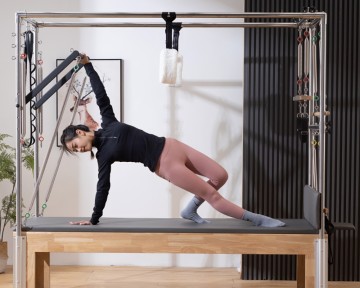
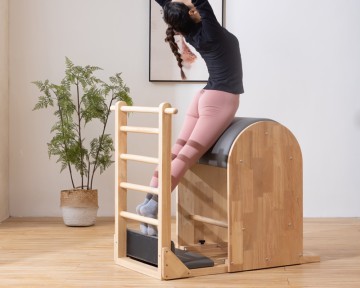
Combining cardio and core strength in one footprint.
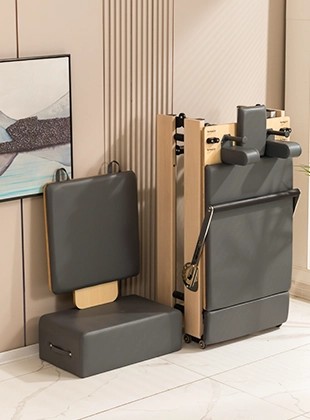
When discussing Treadmill Manufacturers & Factories in Japan, it is impossible to ignore the cultural shift toward "Intelligent Fitness." In the post-pandemic era, the Japanese consumer has moved away from traditional gyms toward a hybrid model of home and studio workouts. This has forced factories to innovate at a rapid pace. Unlike many other global manufacturing hubs, Japan’s focus remains steadfast on quality over quantity.
The core component of any treadmill is its motor and belt system. In Japanese factories, such as those located in the industrial belts of Aichi and Kanagawa, engineers utilize high-grade steel and multi-layered synthetic belts designed for durability. These belts are tested under extreme conditions—simulating thousands of hours of usage at varying speeds. The result is a machine that operates at a decibel level significantly lower than its competitors, making it the perfect choice for the compact living spaces found in Tokyo's Minato and Shibuya wards.
Japan is home to one of the world's oldest populations, yet its seniors are among the most active. This demographic reality has fundamentally changed treadmill design. Factories are now producing specialized "Walking Treadmills" with extra-long handrails, low starting speeds (starting as low as 0.1 km/h), and AI-powered fall detection sensors. These features ensure that the elderly can maintain cardiovascular health without the risk of injury. This focus on rehabilitation and safety is a hallmark of Japanese fitness equipment manufacturing.
Sustainability is no longer an option but a requirement in the Japanese industrial sector. Leading factories are now employing solar-powered assembly lines and utilizing recycled polymers for non-structural treadmill components. By reducing the carbon footprint of each unit produced, Japanese manufacturers are appealing to a global market that is increasingly conscious of environmental impact. The "Made in Japan" label now carries a promise of both mechanical excellence and ecological responsibility.
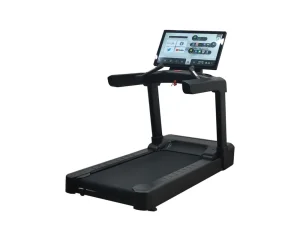
In the digital age, a treadmill is more than a running machine; it is a data hub. Japanese manufacturers are at the forefront of the "Internet of Fitness" (IoF). Modern units come equipped with high-definition touchscreens that offer virtual runs through the streets of Kyoto or up the trails of Mount Fuji. These systems are not just for entertainment; they track biometric data, heart rate variability (HRV), and calorie expenditure, syncing directly with the user’s smartphone. This level of connectivity is what separates a premium factory from a mass-market producer.
Being an island nation, Japan has developed some of the most efficient shipping and logistics networks in the world. For international buyers, sourcing from Treadmill Manufacturers in Japan means benefiting from streamlined export processes via the ports of Yokohama and Kobe. The reliability of these supply chains ensures that components and finished products reach global markets with minimal delay, a critical factor for gym owners and distributors worldwide.
In conclusion, the future of treadmill manufacturing in Japan is one defined by the harmony of technology and humanity. Whether it is through the use of AI to correct a runner's posture or the development of eco-friendly motors, Japanese factories continue to lead the way. At LUMINE, we embrace these standards, ensuring that our products reflect the same level of precision and care that the world expects from Japanese craftsmanship.
 Lumine Fitness